
Bitcoin Mining Costs Hit $75,500 as AI Pivot Locks In
Miners Built for AI, Not for Bitcoin’s Next Rally
The publicly listed Bitcoin mining sector carried an average ex-tax cash cost of roughly $75,500 per coin in the second quarter of 2025, according to CoinShares. That figure sits close enough to recent spot prices that margin pressure remains a defining condition for the industry – not a temporary squeeze, but a structural reality that shapes every capital decision miners make right now.
What makes this moment different from previous high-cost periods is where that capital has been redirected. A growing number of listed miners have already reallocated significant portions of their infrastructure toward artificial intelligence and high-performance computing workloads. CoinShares argues that a Bitcoin price recovery, even a sharp one, is unlikely to pull those operations back toward BTC production.

The Math Behind the Migration
At $75,500 per Bitcoin in production costs, miners operating near or below spot price have almost no buffer. Energy costs, hardware depreciation, and administrative overhead compress margins to the point where any sustained period below that threshold pushes operations into loss. For miners who have not diversified, each month of suppressed prices erodes the cash reserves needed to survive the next halving cycle or hardware upgrade wave.
That pressure accelerated the shift toward AI hosting and HPC contracts, which offer more predictable revenue streams and longer-term service agreements than Bitcoin’s volatile block reward structure. Once a mining facility is physically reconfigured – power distribution upgraded, cooling systems redesigned, rack space converted for GPU clusters rather than ASIC arrays – the cost and disruption of reversing that conversion is substantial. The infrastructure change is not a financial position that can be unwound with a few trades.
CoinShares’ position is that this creates a one-directional dynamic. Miners who pivoted to AI did so partly because Bitcoin economics forced the decision, and the same economics do not automatically reverse once prices climb. A higher BTC price improves the theoretical attractiveness of mining, but it does not eliminate the AI contracts already signed, the reconfigured data center footprints, or the investor expectations now built around diversified compute revenue rather than pure-play Bitcoin production.

What a Price Rally Actually Changes
A Bitcoin recovery would meaningfully benefit miners who stayed fully committed to BTC production – those who absorbed the margin compression, held their ASIC fleets, and did not redirect capacity. For that group, a move higher in spot price translates directly into improved per-coin economics and wider cash margins against the $75,500 production cost baseline.
For the AI-focused cohort, the calculus is more complicated. Higher Bitcoin prices make mining theoretically more attractive, but the opportunity cost of abandoning HPC contracts – which typically run on multi-year terms – would need to exceed the incremental mining revenue gained. Given the scale of physical reconfiguration involved in converting AI-ready infrastructure back to ASIC mining, and the reputational risk of breaking service agreements with enterprise clients, the bar for re-entry is high regardless of where BTC trades.
Production Costs as a Market Signal
The $75,500 average ex-tax cash cost figure functions as more than an operational metric – it sets a rough floor for how the market prices Bitcoin in relation to miner viability. When spot prices sit near or below that level, the weakest-margin producers either curtail operations or sell holdings faster than usual to cover costs, which creates selling pressure that can reinforce the low-price environment. When prices climb well above it, miners accumulate rather than sell, which historically has tightened available supply on exchanges.
CoinShares tracking this figure quarterly reflects how central miner economics have become to broader Bitcoin market analysis. Production cost data from listed companies offers one of the cleaner windows into actual industry health, since public miners are required to disclose financials in ways that private operations are not. The second-quarter figure of $75,500 captures a period when network difficulty remained elevated following the April 2024 halving, compressing per-coin revenue while fixed costs stayed largely unchanged.
The listed miner universe – which includes companies operating across North America, with facilities ranging from small-scale hydro-powered sites to massive grid-connected campuses – does not represent every Bitcoin miner globally, but it does represent the segment most exposed to public market scrutiny and shareholder pressure. Those dynamics push listed miners toward capital efficiency decisions, including the AI pivot, faster than privately held competitors who can absorb losses without quarterly earnings calls to navigate.
What remains unresolved is whether the miners who committed to AI infrastructure will face their own form of competition pressure as hyperscalers and dedicated HPC providers scale their own capacity. Bitcoin mining companies entered the AI hosting market partly because their existing power procurement relationships and large-footprint facilities gave them a speed advantage over building from scratch. That advantage narrows as purpose-built AI data centers come online at scale – leaving some converted mining operations competing on price rather than on infrastructure readiness.
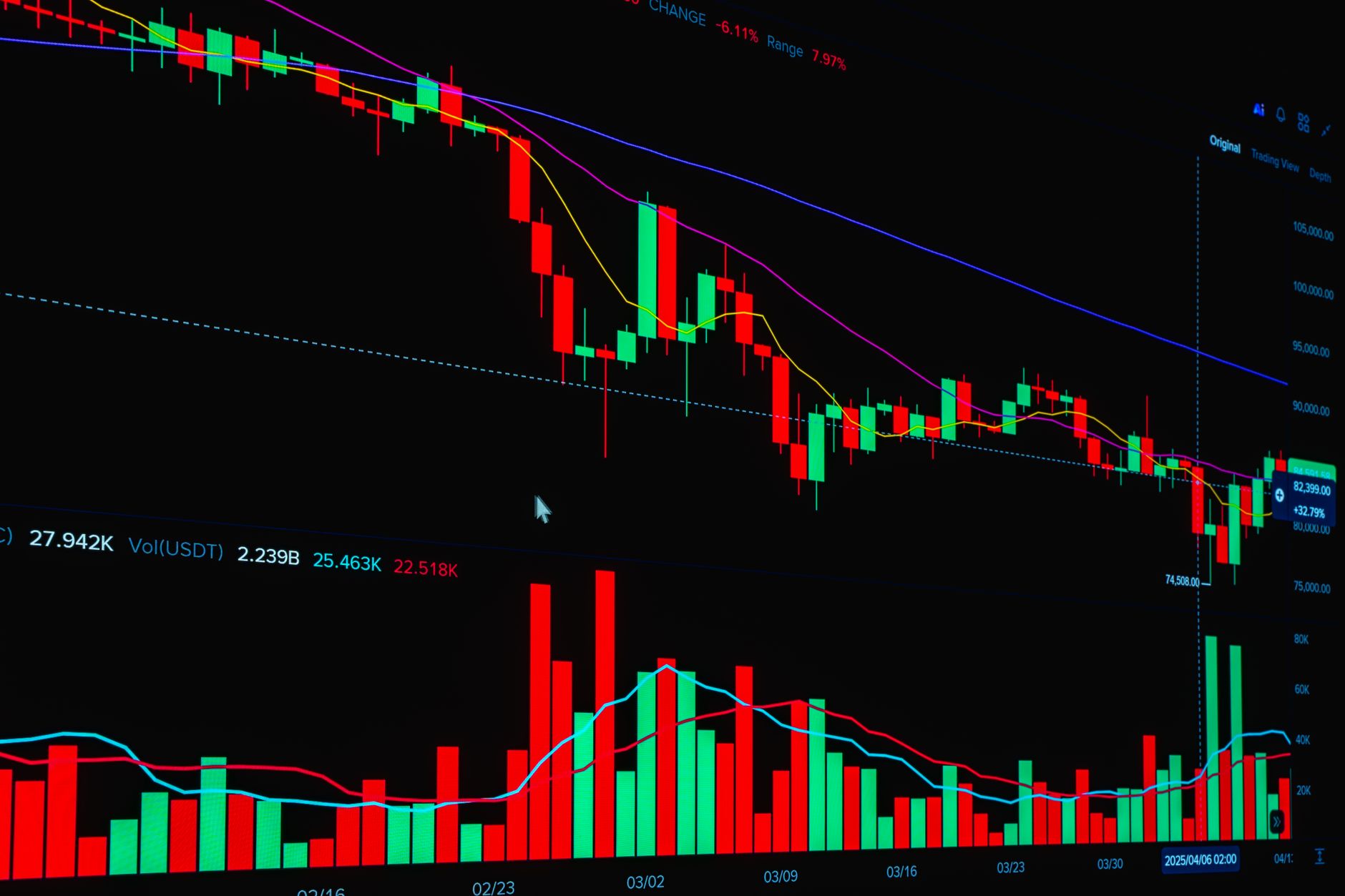
The $75,500 production cost sits as a hard number against which every strategic pivot, every HPC contract, and every Bitcoin price forecast ultimately gets measured.
Comments are closed, but trackbacks and pingbacks are open.