
MEXC Reports 21% MoM Growth in New-Token Traders and 31% Increase in Tokenized Stock Trading Volume in August
New Users, New Tokens, and a 14,143% Peak Gain
MEXC released its August trading data on September 14, 2026, and the numbers point to a platform that expanded activity on two fronts simultaneously: early-stage crypto tokens and traditional finance assets repackaged for digital markets. The number of users trading new tokens climbed 21% month over month, while tokenized stock trading volume jumped 31% over the same period – two growth lines that don’t usually move together at this scale.
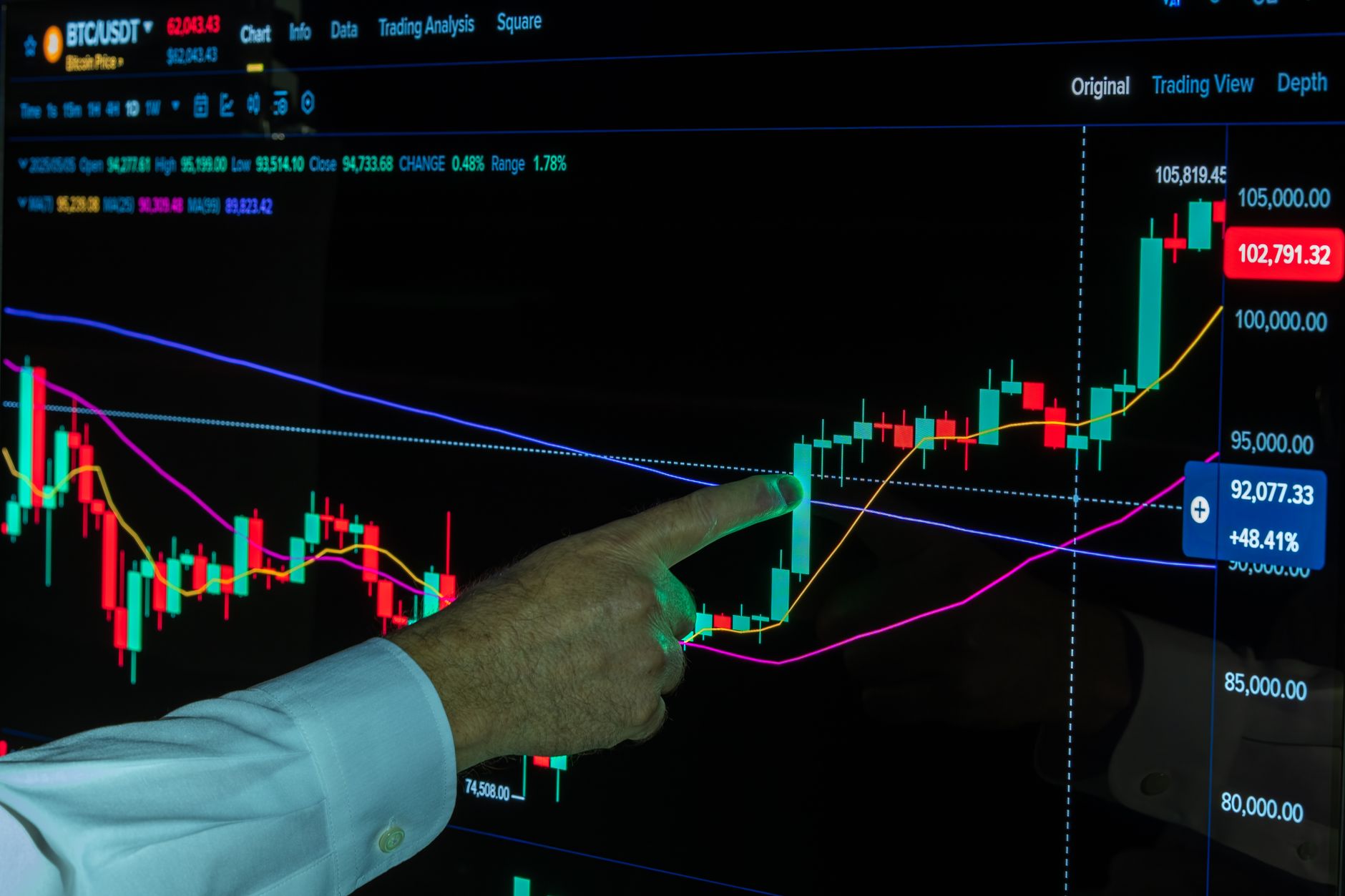
The standout figure in the new-token segment was Niu Lai (牛来), which posted a peak gain of 14,143% during August. That single data point skewed the broader average significantly: the top 10 tokens by peak gain recorded a combined average of 3,358%, itself up 145% compared to July’s equivalent figure. Five of those top-10 peak-gain tokens also appeared in the top-10 ranking by Spot trading volume, collectively accounting for 65% of trading volume among the highest-volume new tokens on the platform.
Memecoins Led Volume, But Utility Projects Held Their Ground
Within the top 10 tokens by Spot trading volume, memecoins claimed a majority position – five tokens across that group contributed 55% of total volume. The remaining 45% came from projects spanning AI, real-world assets (RWA), DeFi protocols, and cross-chain infrastructure. That 45-55 split is worth noting: it shows memecoins pulling ahead in raw volume while substantive utility projects maintained meaningful participation rather than getting crowded out.
The memecoin-versus-utility dynamic is one that has defined crypto markets for years, but the August data from MEXC suggests the two categories are increasingly coexisting rather than competing directly for the same trader base. Memecoin participants tend to rotate in and out quickly on momentum, while AI and RWA projects attract a different type of position – longer hold periods, different risk profiles. Whether that pattern held through August specifically isn’t broken down further in the data, but the volume distribution across categories implies MEXC’s listing breadth drew both trader types at once.
MEXC CEO Vugar Usi framed the platform’s direction in direct terms: “Whether users are looking at early-stage tokens, stocks, or precious metals, they want fast and convenient access when new trading opportunities emerge. MEXC will continue expanding its cross-asset coverage, reducing unnecessary friction between markets, and giving users more flexibility to trade different asset classes on a single platform.”
The platform has operated under a 0-fee trading model since its founding in 2018 and currently serves users across more than 170 markets. That fee structure matters in the context of August’s data – high-volume memecoin trading and rapid rotation into new listings are both activities where transaction costs compound quickly, and a zero-fee environment structurally advantages those trading styles over fee-charging competitors.
Tokenized Stocks and Gold Push TradFi Numbers Higher
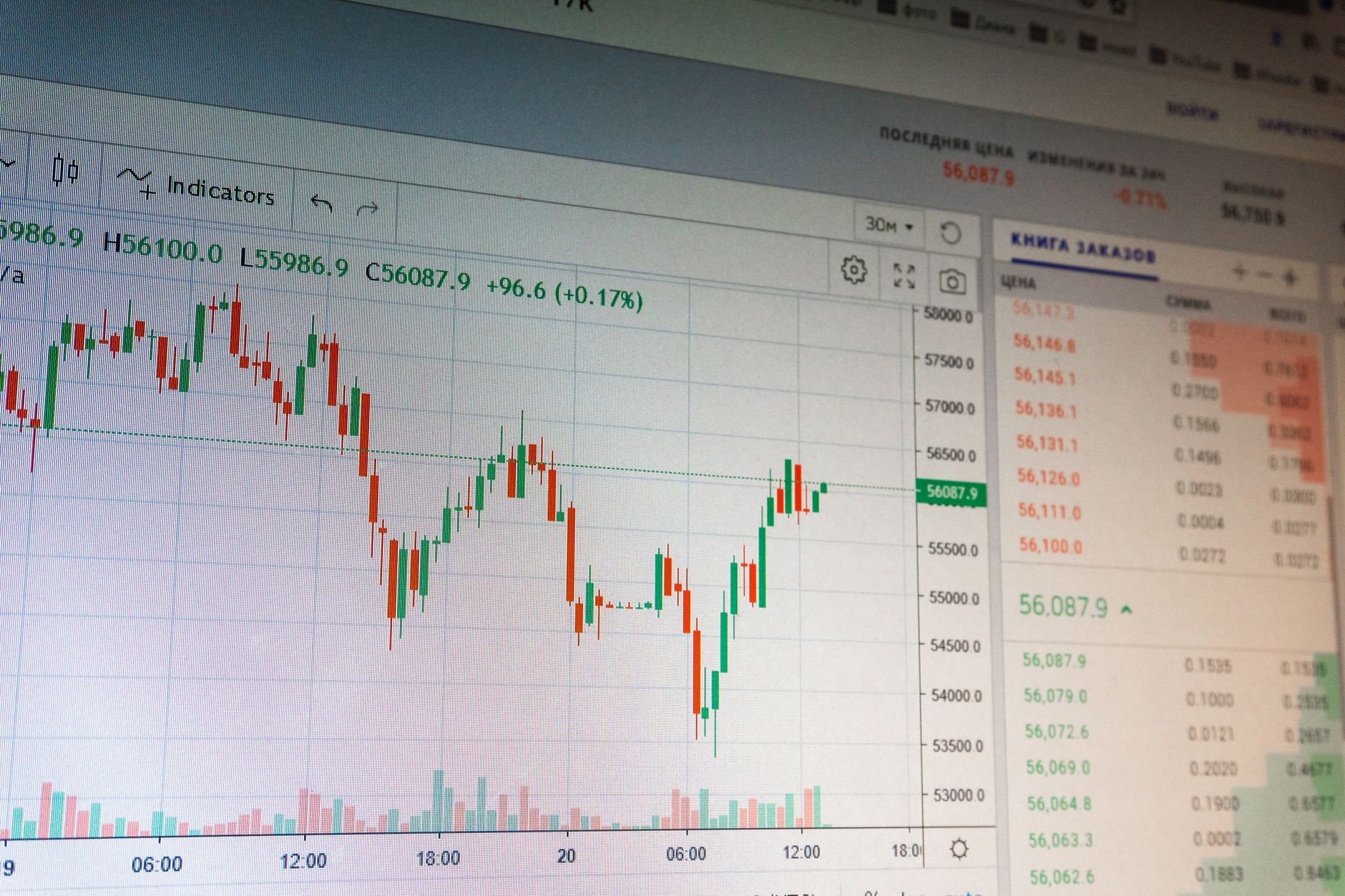
On the traditional finance side, MEXC’s TradFi Spot segment grew 13% month over month in August, with tokenized stocks doing the heaviest lifting at 31% volume growth. Tokenized equities including CRCL, NBIS, and SPCX appeared in the top 10 TradFi assets by trading volume. Gold-related exposure told a parallel story: GOLD (PAXG) trading volume rose 43% month over month and ranked first across all TradFi Spot assets – a sign that macro hedging demand remained elevated throughout the month.
In TradFi Futures, precious metals diverged internally. Total precious metals futures volume rose 32% month over month, keeping the category as the largest by volume within TradFi Futures. XAU contracts increased 57% and SILVER rose 39%, but XAUT fell 10%. Growth in that segment was concentrated in XAU and silver rather than distributed evenly – XAUT’s decline against the broader category’s gain suggests traders were differentiating between gold exposure vehicles rather than treating them as interchangeable.
Campaigns Drove Volume, With One Gala Averaging $4.2 Billion Daily
MEXC ran three flagship campaigns during August, each structured around a 1 million USDT prize pool. The campaigns targeted TradFi activity broadly, xStocks specifically, and the MOVE ecosystem. The “TradFi Million-Dollar Gala” drew more than 174,000 registrations and generated an average daily trading volume of 4.2 billion USDT across its run – a figure that indicates the campaign pulled in substantial external participation rather than simply redistributing volume from existing users.
The xStocks campaign featured tokenized versions of major equities: NVDAX, CRCLX, and TSLAX were highlighted as primary assets, giving retail traders direct exposure to price action linked to Nvidia, Circle, and Tesla through a crypto-native interface. The tokenized stock model removes some of the structural barriers associated with traditional brokerage access – extended hours, no minimum account sizes tied to equity regulations – while introducing different risk factors around the tokenization layer itself.
MEXC was founded in 2018 and describes itself as a multi-asset trading platform operating under a single-account structure, meaning users can move between crypto derivatives, tokenized equities, and spot markets without switching platforms or maintaining separate accounts. The August data, taken as a whole, reflects what that structure looks like under elevated demand: new-token traders and TradFi participants active simultaneously, neither segment appearing to cannibalise the other’s volume. With tokenized stock volume at 31% growth and a single new token posting a 14,143% peak return in the same month, the question is whether MEXC’s infrastructure holds the same performance consistency when both spikes happen at once rather than in sequence.

Comments are closed, but trackbacks and pingbacks are open.