
Tonkeeper Drops TON Identity, Relaunches as Seven-Chain Wallet
Tonkeeper, the self-custody wallet built around The Open Network, has rebranded as Keeper – a name change that signals a deliberate push beyond its TON-native roots into multi-chain territory, with Bitcoin and Ethereum now among its seven supported networks.
A Single-Chain Identity Becomes a Liability
For a wallet named after one blockchain, growth across the broader crypto market was always going to hit a ceiling. Tonkeeper built a loyal base serving TON users, but as institutional and retail interest continued spreading across multiple chains simultaneously, a product tied to a single network name carried an implicit limitation – one that the team clearly decided was no longer worth carrying.
The rebrand to Keeper strips out the TON reference entirely. What remains is a shorter, cleaner brand that does not front-load any allegiance to a specific chain. That kind of neutrality matters when a wallet is trying to attract users who hold assets across Bitcoin, Ethereum, and other networks – users who might have previously passed over Tonkeeper on the assumption it only served TON.
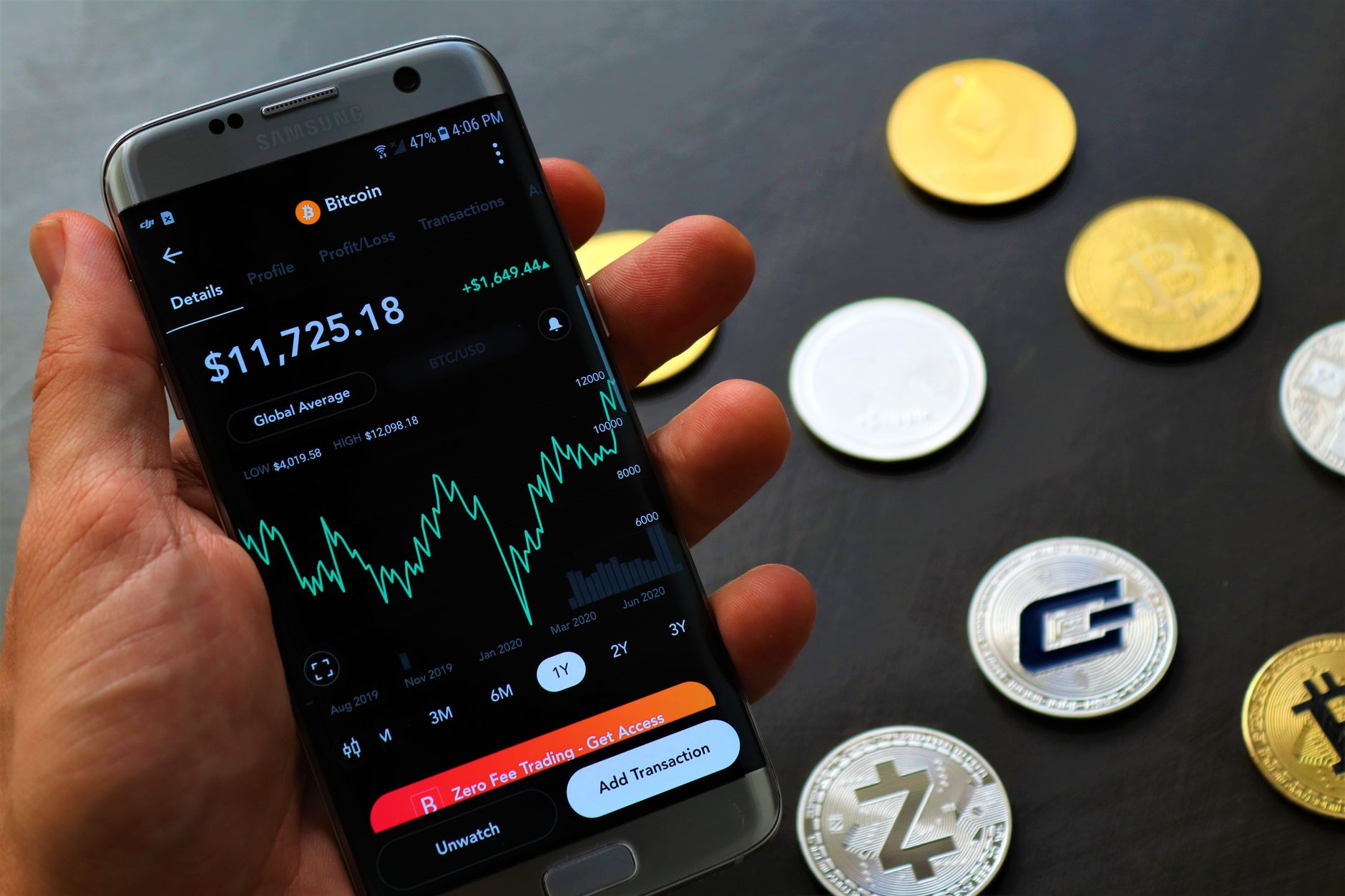
Seven networks now fall under the Keeper umbrella, with Bitcoin and Ethereum confirmed among them. The inclusion of Bitcoin is particularly notable. Bitcoin wallet support has historically sat in a separate product category from multi-chain Ethereum-adjacent wallets, and bridging that divide – bringing BTC holders into the same interface alongside ETH and TON users – reflects an appetite to compete in a much wider market. Deutsche Bank’s recent move to custody Bitcoin and Ether for European institutions underscores how seriously major players are now treating cross-asset digital infrastructure.
The timing of the launch positions Keeper inside a crowded field of multi-chain wallets, each competing for the same pool of active self-custody users. MetaMask, Trust Wallet, and Exodus have all expanded their network support over the past two years. Keeper enters that competition carrying its existing TON user base as a foundation – a meaningful head start, given TON’s growth trajectory – but the brand recognition gap against more established names is real and will not close quickly.

What Seven Networks Actually Means for Users
Multi-chain support sounds expansive, but the quality of that support varies enormously from wallet to wallet. Some products add network compatibility in name only – thin integrations that cover basic send-and-receive while leaving out staking, NFT management, dApp connectivity, or in-wallet swaps. Whether Keeper’s seven-network rollout includes full-featured access across all chains, or whether some networks are more complete than others, will determine how much of its existing user base expands its usage versus continues defaulting to the TON interface they already know.
Bitcoin integration in particular tends to be technically heavier than adding an EVM-compatible chain. Ethereum and most of its ecosystem run on compatible virtual machines, meaning adding a new EVM chain is largely a configuration exercise. Bitcoin operates on an entirely different architecture – UTXO-based, without smart contract functionality in the traditional sense – so building a genuinely usable Bitcoin wallet requires a distinct development investment. Keeper committing to Bitcoin support is not a trivial checkbox.
The self-custody segment has been gaining ground as centralized exchange failures over the past few years pushed users toward holding their own keys. That shift created both opportunity and responsibility for wallet providers: opportunity because the addressable market expanded, responsibility because users now expect wallets to be secure, reliable, and feature-complete across every chain they support. A rebrand alone does not satisfy any of those requirements.
Keeper’s existing TON users represent a specific demographic – many of them arrived through Telegram’s ecosystem, where TON is deeply embedded. Telegram’s roughly 900 million monthly active users created a distribution channel that few other blockchain projects have enjoyed. Whether Keeper can use that same Telegram-native positioning to introduce Bitcoin and Ethereum wallets to users who have not previously engaged with those networks is an open strategic question. The onboarding path for a TON-native user picking up their first Bitcoin wallet looks very different from converting an existing MetaMask user.
Pricing, fee structures, and whether Keeper charges for swaps or cross-chain transactions have not been detailed in the announcement. Those mechanics matter to daily users more than the brand name does. A wallet that adds seven networks but routes transactions through high-fee bridges or takes significant spreads on swaps will struggle to retain users who have alternatives. Keeper’s competitive position depends as much on the economics of its product as on how many chains it technically supports.
The rebrand also raises questions about how existing Tonkeeper integrations – with TON-based dApps, DeFi protocols, and NFT platforms – carry over into the new Keeper identity. TON’s application layer has been expanding, and any disruption to those existing integrations during the transition would hit the wallet’s most active users hardest.
The Rebrand as Market Signal
Wallet rebrands of this kind are often read as signals about where a team thinks the market is heading. Dropping a chain-specific name to adopt a generic identity suggests the Keeper team is betting that no single blockchain will dominate user behavior over the next cycle – and that wallets positioning themselves as neutral infrastructure across networks will outperform those tied to one ecosystem’s fate.
TON’s price performance and user growth will still matter to Keeper’s near-term business, since that is where its installed base sits. But the brand now gives the team permission to grow in directions that Tonkeeper, by its very name, could not. Whether the seven networks currently supported expand further, and how quickly Keeper moves to add chains that are growing in user activity, will be the more revealing test of whether this rebrand represents a real strategic pivot or a marketing refresh attached to a product that remains, in practice, a TON wallet with extras bolted on.
Comments are closed, but trackbacks and pingbacks are open.