
Theo Puts $40 Million in Silver Leases Onchain With thSLVR Token
Silver Gets a Yield Layer on the Blockchain
Theo, an onchain finance platform, has launched thSLVR – a tokenized silver product backed by $40 million in active metal leases – giving investors a way to hold silver exposure while collecting income from institutional lending activity tied to the physical commodity.
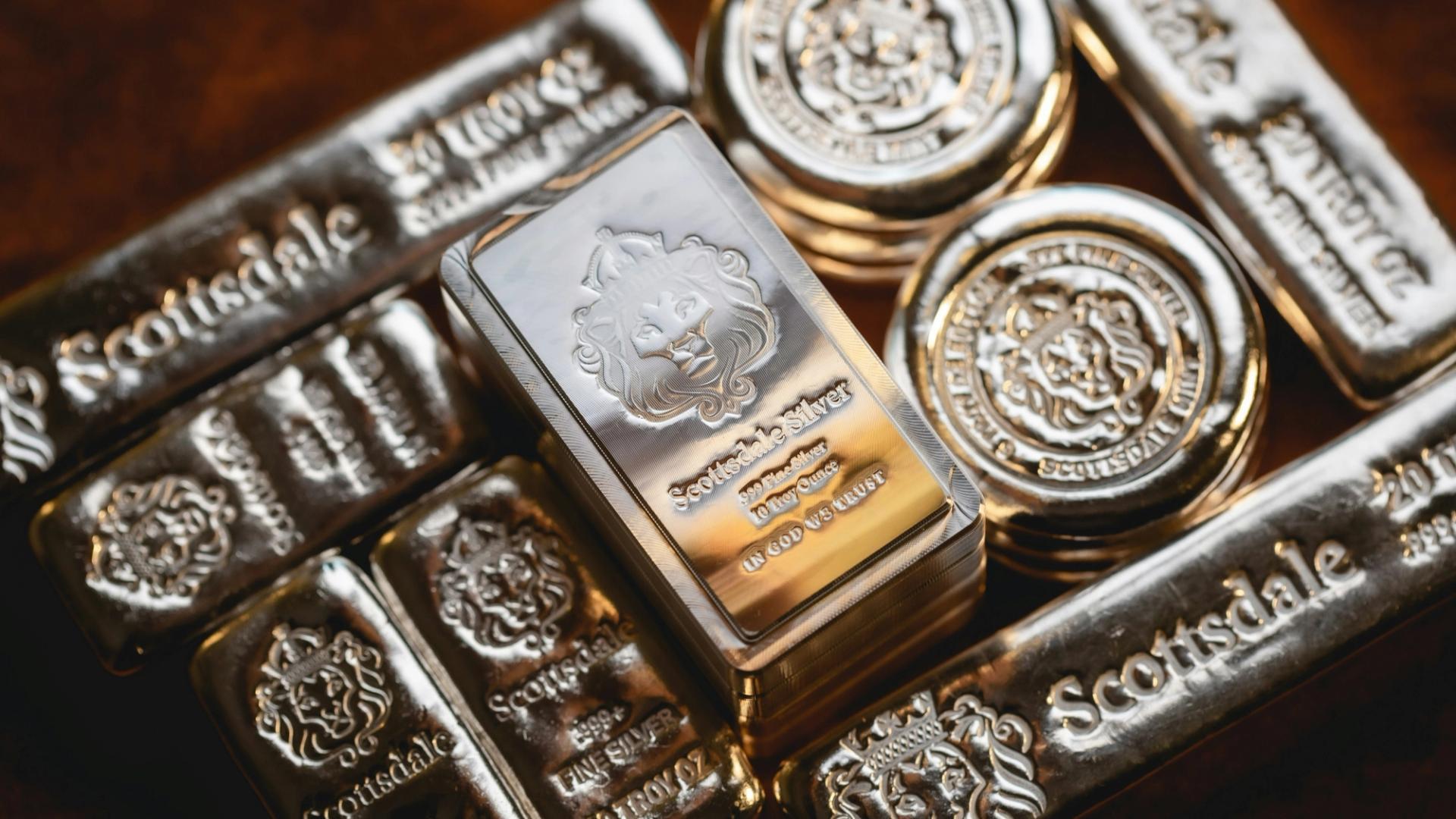
How thSLVR Actually Works
The structure behind thSLVR is worth unpacking, because it diverges from the more familiar model of tokenized commodities. Most tokenized gold or silver products simply represent ownership of metal sitting in a vault. The holder gets price exposure, and that’s the end of it. Theo is doing something different: the silver backing thSLVR is actively lent out to institutional borrowers, and that lending activity generates income that flows back to token holders. The metal is working, not just sitting.
That distinction matters for how the product is positioned. Yield-generating tokenized commodities occupy a narrower category than plain-vanilla digital wrappers around physical assets. By attaching a lending mechanism to the silver, Theo is essentially turning a traditionally inert store of value into something closer to a fixed-income instrument – one where the underlying collateral happens to be silver rather than corporate debt or treasury bills.
The $40 million figure represents the value of active leases at launch, meaning this is not a projection or an aspiration – there are already institutional borrowers on the other side of these agreements. That detail is significant. Many tokenized real-world asset products launch with the infrastructure in place but the demand side still being assembled. Theo’s model requires live lease agreements to function, so the $40 million in active leases signals that the institutional borrowing side was operational before the token went public.
Silver leasing itself is not a new practice. It has existed in commodity finance for decades, with central banks and large holders lending metal to manufacturers and traders who need physical silver for industrial or commercial purposes. What Theo is doing is making that market accessible to onchain investors who would not ordinarily participate in institutional-grade commodity lending – the barrier to entry being far too high in the traditional financial system for most individuals or smaller funds.

The Broader Bet on Tokenized Real-World Assets
Theo’s launch arrives at a moment when tokenized real-world assets have moved from theoretical discussion to active product development across much of the crypto industry. The category now includes tokenized treasuries, private credit, real estate, and commodities – each attempting to bridge onchain capital with off-chain yield sources. Silver, however, is a less crowded corner of that market. Gold has attracted more tokenization interest, largely because of its deeper institutional familiarity and liquidity, which makes silver a less contested space for a platform trying to carve out a distinct position.
The income component is what separates thSLVR from purely speculative commodity exposure. An investor holding thSLVR is not simply betting on silver prices moving higher – they are earning a return from the lending spread while maintaining that price exposure. If silver appreciates, the token captures that gain. If prices stay flat, the lease income still provides a return. The risk, of course, runs in both directions: silver prices can fall, and lease income does not fully offset a significant decline in the metal’s value.
Institutional borrowers in silver leasing typically include industrial manufacturers who use silver in electronics, solar panels, and medical equipment, as well as traders who need physical metal to settle contracts. The creditworthiness of those borrowers and the terms of the lease agreements directly affect the risk profile of thSLVR. Theo has not publicly detailed the specific borrower mix or the lease durations backing the current $40 million, which leaves those variables as open questions for prospective investors evaluating the product.
The onchain format also introduces a different set of considerations around transparency and settlement. One of the arguments for tokenizing real-world assets is that blockchain infrastructure can make asset ownership and income distribution more auditable and efficient than traditional financial plumbing. Whether that holds in practice depends heavily on how Theo handles the connection between the onchain token and the off-chain lease agreements – the weakest link in any real-world asset tokenization is always the legal and operational bridge between what the smart contract says and what actually happens with the physical asset.
For investors already active in crypto markets, thSLVR offers an exposure type that sits outside the volatility profile of most digital assets. Silver has its own price cycles and demand drivers – it is sensitive to industrial output, currency movements, and inflation expectations – but those drivers are largely uncorrelated with the factors that move Bitcoin or Ethereum on a given day. That diversification argument has been made about tokenized treasuries as well, and it has attracted meaningful capital from crypto-native funds looking to hold productive assets without fully exiting the onchain ecosystem.

What the Launch Signals for Commodity Tokenization
Theo’s thSLVR product tests whether demand exists for yield-bearing commodity tokens beyond gold, and whether silver’s dual role as both an industrial input and a store of value makes it a compelling candidate for the real-world asset category. The $40 million in active leases at launch provides a concrete foundation, but the longer-term question is whether Theo can scale that lease book as more capital flows into the token – because the yield is only sustainable if the institutional demand for borrowed silver keeps pace with investor appetite for thSLVR.
Silver leasing rates have historically been thin compared to credit markets, which means the economics of scaling this product are sensitive to relatively small changes in lease demand. If institutional borrowers pull back – due to shifts in industrial output, changes in silver supply, or tighter credit conditions – the income side of thSLVR compresses, leaving holders with exposure that looks more like a conventional commodity token than the yield-bearing instrument Theo is marketing today.
Comments are closed, but trackbacks and pingbacks are open.