
Clichmont Bets on Megawatts Over GPUs in AI Infrastructure Race
Owning the Floor, Not the Furniture
While most AI infrastructure companies are locked in a bidding war for GPU access, Clichmont CEO Alexis Cathalifaud is asking a different question: what happens when the chips arrive and there’s nowhere adequate to put them?

The Case Against Renting Compute
Clichmont’s core argument starts with a distinction between access and control. Renting GPU capacity from a hyperscaler or GPU cloud provider means inheriting that provider’s pricing structures, availability windows, power constraints, networking architecture, deployment schedules, and margin requirements. When demand spikes – and in AI infrastructure, demand spikes are routine – that inherited dependency becomes a liability. Cathalifaud frames ownership of the data-center layer as a way to exit that dependency entirely.
The company’s position is that controlling physical infrastructure lets it decide which GPUs to deploy and when, how densely to install them, how power and cooling are engineered, and how capacity gets commercialized. That control also means a single facility can evolve across GPU generations rather than anchoring the business to any one chip cycle. It’s a meaningful operational difference: the facility outlives the hardware it houses.
There’s a depreciation argument running underneath all of this. GPUs lose economic competitiveness within a few years – sometimes faster as new architectures arrive. Land, permitted megawatts, grid connections, substations, cooling systems, and fiber connectivity don’t follow the same curve. Those assets can remain strategically valuable across multiple generations of accelerators, which is why Cathalifaud describes power-ready data-center capacity as a longer-lived asset class compared to the chips themselves.
The separation of problems here is deliberate. Securing 10,000 GPUs is one challenge. Securing the tens of megawatts of reliable electricity, cooling infrastructure, and network capacity required to actually run them is an entirely separate challenge – and increasingly, the harder one. A company can acquire chips and still lack any suitable place to deploy them at scale.
Power as the Durable Bottleneck
Cathalifaud’s comments on competitors are careful not to read as dismissive. CoreWeave, Crusoe, and Lambda, in his view, didn’t get the model wrong – they demonstrated that AI compute is a substantial and real market. The divergence is in what each company believes will remain scarce as the market matures. Clichmont’s thesis is that GPUs change every generation while the infrastructure required to run them – power, land, cooling, connectivity – does not change at the same pace. In a market where capital is chasing chips, Clichmont is positioning itself to own what it calls “the place where the chips have to live.”
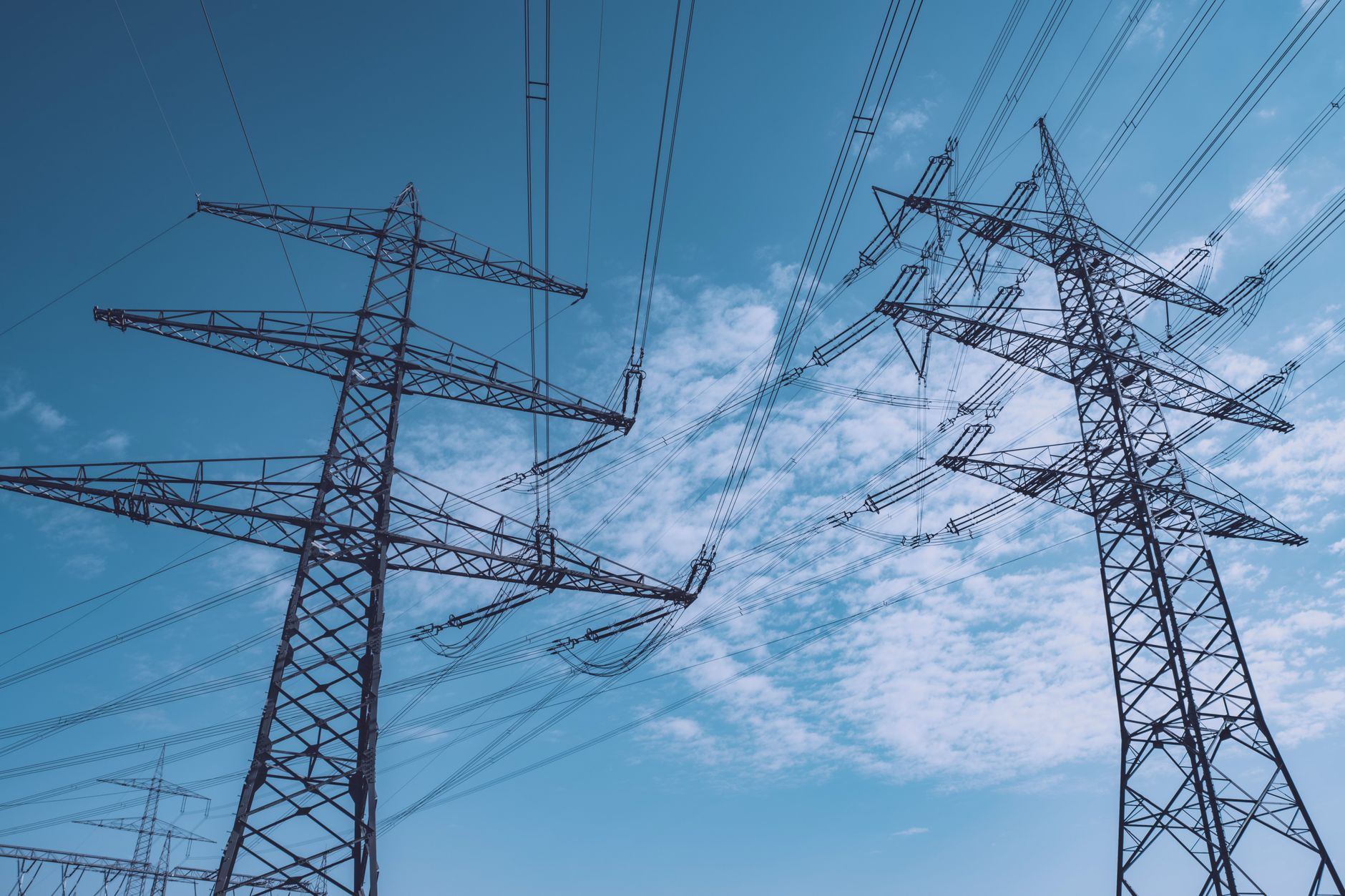
Energy shapes nearly every infrastructure decision Clichmont makes, according to Cathalifaud. A GPU without reliable power is hardware sitting in a rack generating cost rather than compute. His view is that the real competition over the next decade won’t be fought primarily over GPU allocations – it will be fought over megawatts. That framing positions electricity access, not silicon supply, as the binding constraint on AI infrastructure growth.
This is a meaningful strategic divergence from the prevailing approach in the sector. Most companies competing in AI cloud and compute are optimizing around chip access – negotiating volume agreements with NVIDIA or AMD, building fleets of rented GPUs, and selling access to that capacity to AI developers. Clichmont is optimizing one layer below that, treating the physical and electrical infrastructure as the product rather than the GPUs themselves.
Site selection, as a result, isn’t primarily a real estate decision for the company – it’s an energy decision. The questions that drive it are about grid reliability, available megawatts, regulatory environments for power procurement, cooling feasibility, and proximity to fiber networks. Once those conditions are met, the specific GPU generation deployed in the facility becomes a more fungible variable. The facility remains; the hardware rotates through it.
Clichmont also operates a token, $CLAI, which Cathalifaud describes as part of the broader ecosystem rather than incidental to it. The integration of a blockchain-native token into a physical infrastructure business follows a pattern visible elsewhere in decentralized compute and energy markets – an attempt to align incentive structures around assets that are, by nature, capital-intensive and long-horizon. How $CLAI functions within the infrastructure financing and commercialization layer represents a separate structural question, but its presence signals that Clichmont is building with a tokenized ownership model in mind from the start, not retrofitting one later.
What the Scarcity Argument Assumes
The infrastructure-as-moat thesis depends on a specific set of conditions holding: that permitted megawatts and grid connections remain genuinely hard to acquire, that GPU chip supply stays tight enough that physical deployment constraints remain binding, and that demand for AI compute continues growing at a rate that exhausts available data-center capacity rather than saturating it. If grid infrastructure permitting accelerates significantly, or if chip efficiency improvements reduce per-GPU power demands dramatically, the scarcity Clichmont is positioning around could shift in ways the current thesis doesn’t fully account for.
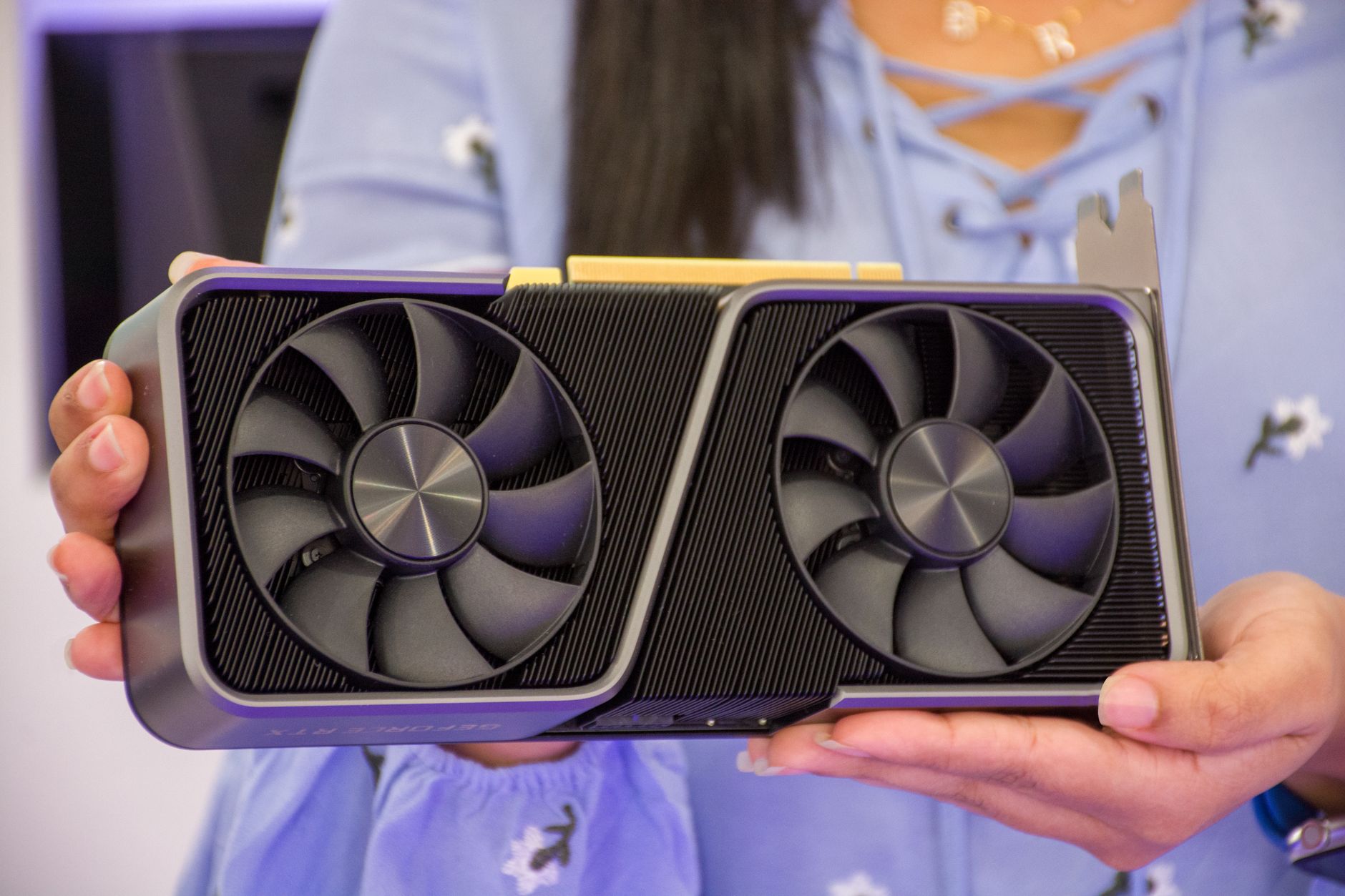
For now, the power constraints Cathalifaud describes are real. Data-center developers across the United States and Europe are reporting multi-year queues for grid interconnection. Utility companies are rebuilding capacity planning assumptions around AI workloads that didn’t exist in their forecasting models five years ago. Whether that grid bottleneck persists long enough for Clichmont to establish the infrastructure positions it’s targeting – or whether capital flooding the sector accelerates build-out faster than anyone currently expects – is the open question sitting at the center of the entire bet.
Comments are closed, but trackbacks and pingbacks are open.