
Bitcoin, ether swing after unanimous quarter-point Fed rate hike as Warsh takes aim at inflation
Crypto Markets Jolt as Fed Pulls the Trigger
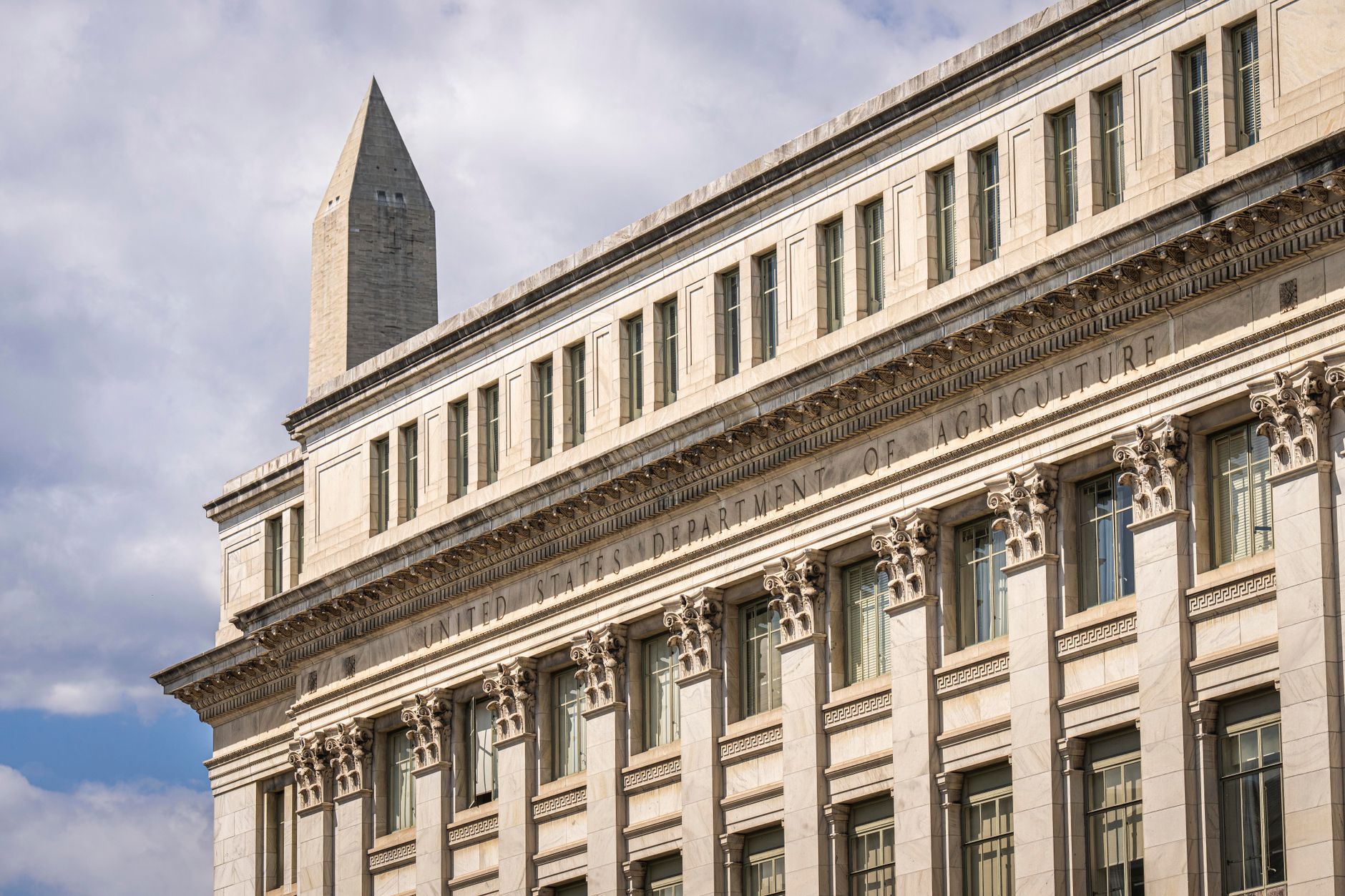
The Federal Reserve raised interest rates by a quarter point in a unanimous decision – its first hike in more than three years – and crypto markets responded with sharp, erratic price moves. Bitcoin and ether both whipsawed in the immediate aftermath, swinging in opposing directions within a compressed window as traders processed what the decision means for risk assets heading into the final stretch of 2026.
The hike came under Fed Chair Kevin Warsh, who has made inflation the explicit focal point of his tenure. With the committee voting unanimously to lift rates, the decision carried the full institutional weight of the Fed – no dissenters, no caveats buried in a minority opinion. That consensus, in a central bank that rarely agrees on anything quietly, sent its own signal to markets.
Why This Hike Lands Differently
A quarter-point increase might seem modest on paper, but the context surrounding it is anything but routine. The Fed had been on hold for more than three years – a stretch that covered a period of significant monetary loosening, digital asset expansion, and a broader repricing of speculative markets. Restarting the hiking cycle now, after that long a pause, marks a clear pivot in policy direction, and crypto markets – historically sensitive to liquidity conditions – felt it immediately.
Warsh’s posture on inflation is the variable that makes this moment particularly consequential for digital assets. His public statements have signaled a willingness to hold rates higher for longer if inflation data demands it, which directly pressures the kind of speculative, high-beta assets that Bitcoin and ether represent. Rate hikes reduce the appeal of assets that produce no yield, and they tighten the dollar liquidity that has historically flowed into crypto during easier monetary periods.
The unanimity of the vote is worth examining on its own. Fed decisions that produce dissent tend to signal internal uncertainty about the path ahead – a split committee often translates to market ambiguity about future moves. A unanimous vote, by contrast, communicates institutional conviction. For traders trying to front-run the next decision, a united Fed is a harder institution to read around the edges.
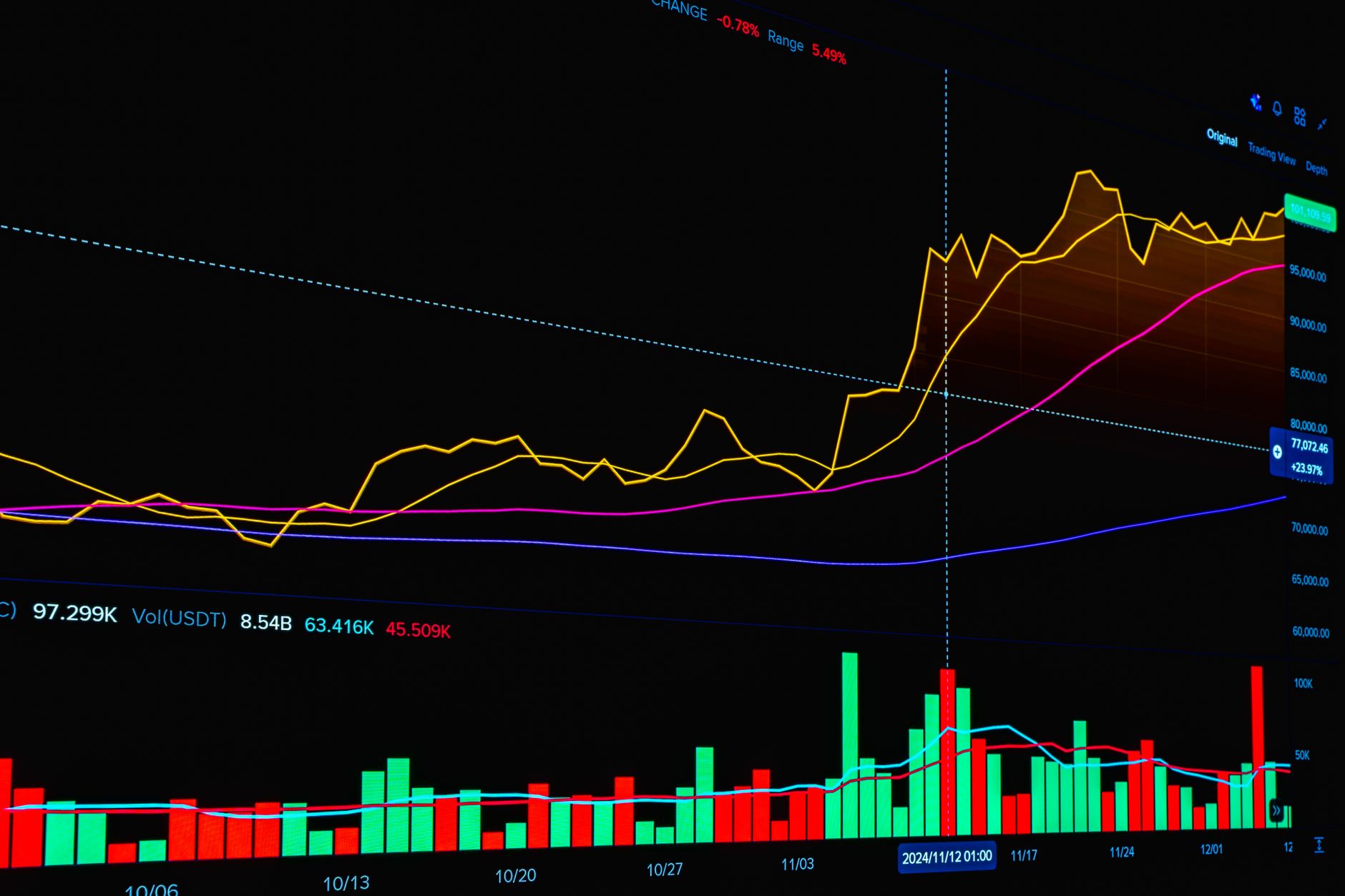
Bitcoin and ether did not move in a straight line in either direction following the announcement. The whipsawing price action – sharp moves up, followed by reversals, followed by partial recoveries – reflected genuine disagreement among market participants about whether this hike is a one-off recalibration or the opening move in a new tightening cycle. That uncertainty is not irrational. The Fed has not signaled clearly how many additional hikes, if any, it envisions from here.
Warsh’s Inflation Target and the Digital Asset Calculus
Warsh’s inflation focus puts crypto in a structurally difficult position. When the Fed tightens to cool an overheating economy, the playbook for risk assets is well-established: margins compress, growth multiples contract, and capital rotates toward safer instruments. Crypto is not immune to that rotation – in fact, it often amplifies it, moving faster and harder than equities in both directions.
Whether Bitcoin’s case as an inflation hedge holds up under a Warsh-led Fed is the underlying question that institutional holders are weighing right now. The inflation-hedge narrative gained traction during the 2020-2021 monetary expansion, but its durability in a genuine tightening environment remains unproven at scale.
What the Unanimous Decision Signals for the Road Ahead
A quarter-point hike unanimously backed by the full Fed committee does not, by itself, resolve the market’s deeper questions. It confirms that the central bank is moving – but the pace, the ceiling, and the conditions under which it might reverse are all still open. For crypto specifically, each subsequent Fed meeting now carries elevated stakes, because the directional trend in rates will shape the liquidity environment that has historically driven large moves in digital assets.
Ether’s reaction deserves separate attention from Bitcoin’s. Ether is increasingly tied to on-chain activity, DeFi usage, and the broader health of Ethereum’s economic ecosystem – dynamics that are not purely macro-driven. Yet in moments of sharp macro shock, the correlation between ether and traditional risk assets tends to spike, overwhelming the asset-specific fundamentals. That correlation compression, where everything moves together in the same direction for a short period, is exactly what played out immediately after the Fed announcement.
The open question sitting underneath all of this is straightforward: if Warsh keeps the pressure on inflation and the Fed follows with additional hikes, does crypto find a floor based on its own structural demand, or does it track traditional risk assets lower until the tightening cycle ends? Bitcoin was trading near multi-month levels before the announcement. Where it goes from the first hike depends almost entirely on what the second one looks like – and when it comes.
Comments are closed, but trackbacks and pingbacks are open.