
House Tax Panel Clears First Federal Crypto Tax Bill
Ways and Means Committee Moves Crypto Tax Framework to the Full House
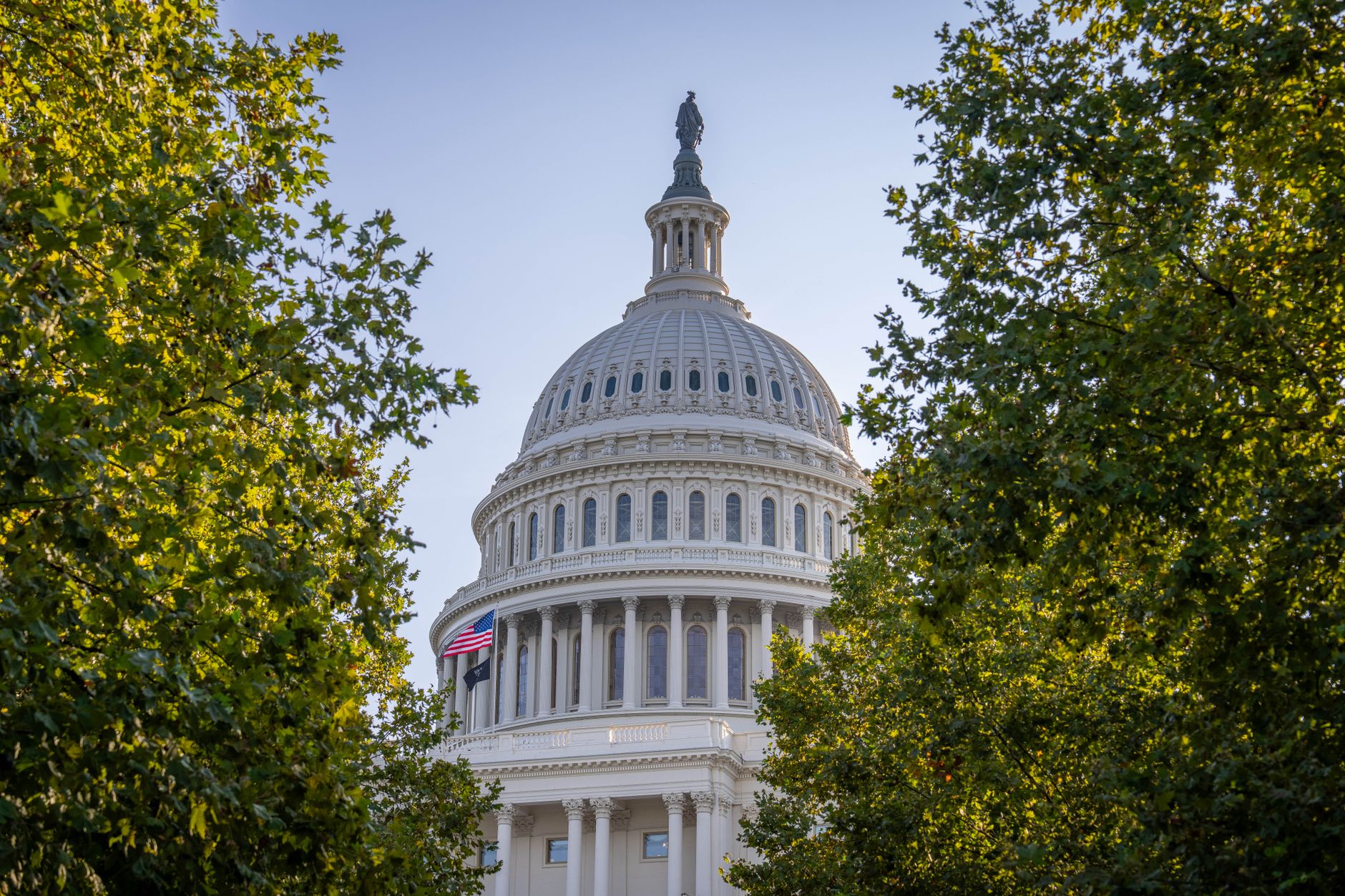
The House Ways and Means Committee voted to advance crypto tax legislation on September 16, 2026, pushing the first federal framework of its kind to the full House for consideration. The vote came one day after the Senate’s Clarity Act failed to clear a procedural hurdle, leaving the broader regulatory picture for digital assets in an uncertain state. Two chambers, two separate legislative tracks, and at least one significant setback in the span of 48 hours – Washington’s attempt to govern crypto taxation is moving, but not cleanly.
The committee’s approval marks a concrete step forward for an industry that has operated for years without a dedicated federal tax structure.
For crypto markets, the timing carries weight beyond the procedural. Investors and trading platforms have long faced ambiguous guidance on how digital asset transactions should be reported, classified, and taxed. The absence of a federal standard has pushed some activity offshore and created compliance headaches for exchanges operating under a patchwork of IRS notices and court rulings. A formal legislative framework, even one still in early stages, signals that Congress is now treating crypto taxation as a standing legislative priority rather than a recurring afterthought attached to broader budget discussions.
What the Committee Approved – and What It Still Isn’t
The House Ways and Means Committee is the tax-writing body of the House of Representatives, making its sign-off a necessary step before any tax legislation can reach a floor vote. The committee’s approval does not mean the bill becomes law – it means the legislation now competes for floor time, amendment pressure, and eventual reconciliation with whatever the Senate produces, assuming the Senate can get its own version moving again after the Clarity Act’s failure.

The Senate’s Clarity Act stumbled on September 15, 2026, one day before the committee vote. That bill, which covered broader crypto market structure questions alongside some tax provisions, could not advance after political complications tied to Trump-era crypto conflicts stalled the procedural vote. The back-to-back developments – Senate failure, then House committee approval – illustrate how fragmented the legislative approach to crypto remains even as both chambers claim urgency. The Senate vote collapsed under the weight of those conflicts
What the House committee approved is specifically a tax framework – distinct from the market structure legislation the Senate has been wrestling with. That distinction matters because it shapes what the bill can and cannot address. Tax treatment of crypto transactions, reporting requirements for brokers and exchanges, classification of assets at the point of sale – these fall within the Ways and Means Committee’s jurisdiction. Broader questions about which agency regulates which tokens, or how spot crypto ETFs are overseen, fall outside it.
Industry Stakes and the Path Ahead
The crypto industry has pushed for federal tax clarity for years, arguing that unclear rules impose real costs. Exchanges must decide how to report transactions without confirmed guidance. Traders face potential penalties for filing positions that later get challenged. DeFi protocols have operated in a gray zone on whether their users trigger taxable events with every on-chain interaction. A formal framework that answers even a fraction of those questions would change compliance calculus across the industry.
Getting from committee approval to a signed law requires the bill to pass the full House, survive a conference process with the Senate, and reach the president’s desk. Each of those steps carries its own political exposure. The House floor schedule is controlled by leadership, and crypto tax legislation will compete against other fiscal priorities for time. If the Senate cannot revive the Clarity Act or pass its own version of a crypto tax bill, the two chambers may end up producing incompatible frameworks that require extensive negotiation to reconcile.
There is also the question of what industry participants actually get from whatever passes. Federal tax frameworks can clarify obligations without reducing them. A bill that confirms every crypto-to-crypto swap triggers a taxable event – a position the IRS has long held informally – would provide certainty, but not relief. Industry groups have lobbied for provisions that would exempt small transactions below certain thresholds, treat some token swaps as like-kind exchanges, or delay reporting requirements for DeFi protocols until the technology for compliance actually exists. Whether any of those provisions survived the committee process, and in what form, shapes how markets will ultimately respond to whatever legislation emerges.
A Framework Without a Floor Vote Yet
The House Ways and Means Committee cleared the legislation. The full House has not scheduled a vote. The Senate’s parallel effort collapsed the day before. And the specific provisions that made it through committee – the ones that will determine whether this framework helps or simply formalizes existing IRS positions – have not been fully detailed in public disclosures. That is where the bill sits: approved by one panel, unscheduled by the chamber, and awaiting a Senate counterpart that stumbled before it even reached a vote.
Comments are closed, but trackbacks and pingbacks are open.