
House Tax Panel Moves Crypto Relief Bill After Clarity Act Stalls
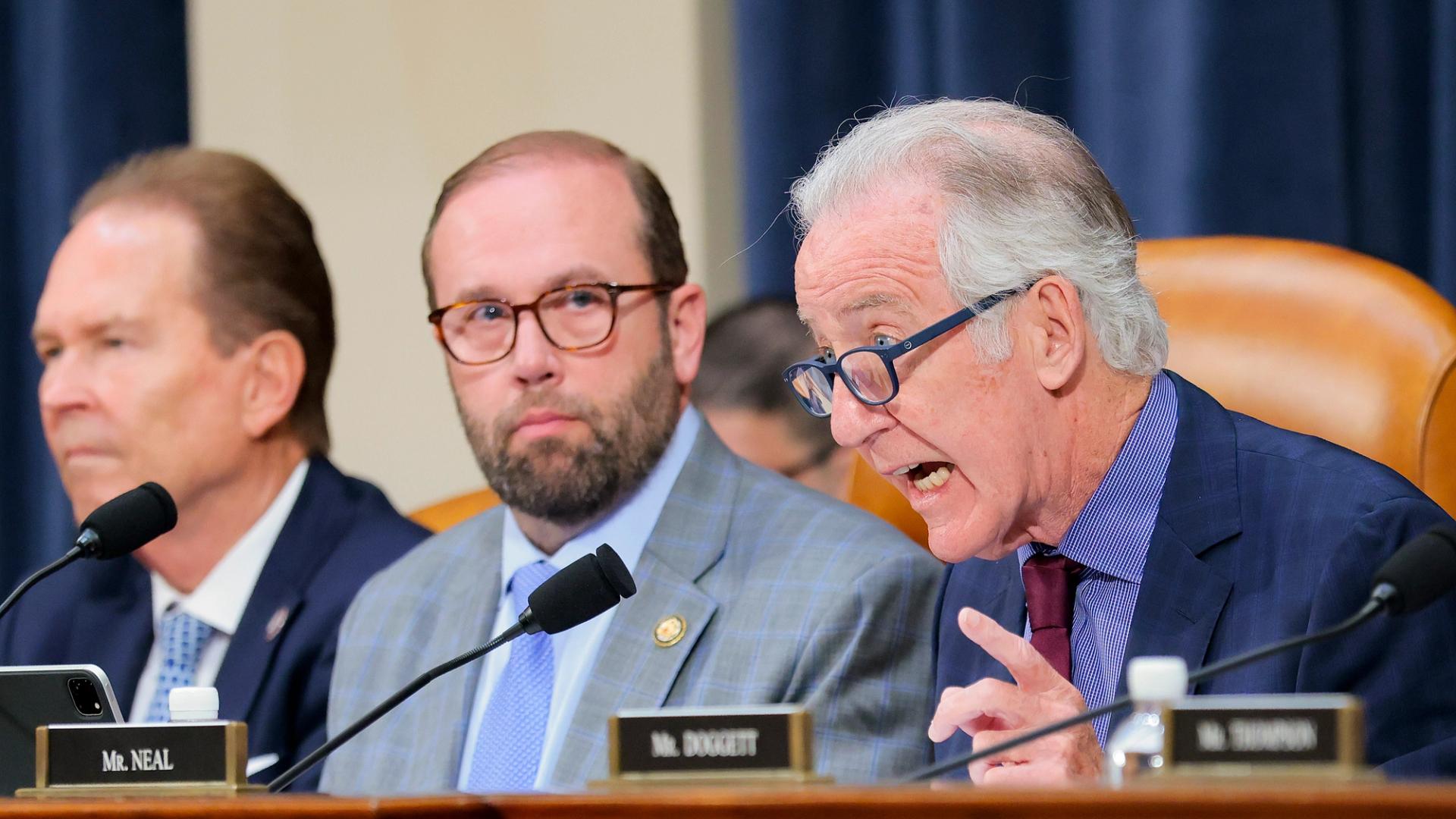
The U.S. House Ways and Means Committee has advanced the Digital Asset Tax Certainty Act, a bill designed to reduce the tax complexity that makes everyday cryptocurrency transactions difficult for ordinary users – though Donald Trump’s financial ties to the crypto industry have already drawn pointed criticism from lawmakers opposed to the measure.
What the Digital Asset Tax Certainty Act Actually Does
Under current U.S. tax law, buying a cup of coffee with Bitcoin is technically a taxable event. The moment a consumer spends cryptocurrency, they are required to calculate and report any capital gain or loss on that specific amount, down to fractions of a coin. For people who hold crypto across dozens of wallets and transactions, the recordkeeping burden alone has been enough to discourage spending digital assets altogether.
The Digital Asset Tax Certainty Act takes direct aim at that friction. The legislation would ease the reporting requirements attached to small, routine crypto transactions – the kind that everyday holders make when they use digital assets as a medium of exchange rather than an investment vehicle. The practical effect would be to bring crypto spending closer in line with how cash transactions are treated, at least below certain threshold amounts.
This is not the first time Congress has floated the idea. Earlier attempts to carve out de minimis exemptions for crypto payments have surfaced in various forms over the past several years, but none cleared both chambers. The Ways and Means Committee’s decision to advance the current bill marks a meaningful procedural step forward, moving the legislation out of committee and closer to a full House vote.
The timing matters. The bill arrives in the committee’s docket shortly after the Clarity Act – a broader attempt to establish a comprehensive regulatory framework for digital assets – failed to gain the traction its backers hoped for. Rather than pausing entirely, crypto-friendly lawmakers appear to be pursuing a narrower legislative path, prioritizing tax relief where a broader market structure overhaul has so far stalled.

Trump’s Industry Ties Complicate an Already Difficult Vote
What would otherwise be a technical tax policy debate has taken on a sharper political edge because of Trump’s well-documented financial involvement in the cryptocurrency sector. Trump and entities connected to him have launched crypto-related ventures, including a meme coin and a broader digital asset project, giving opponents a ready-made argument that any pro-crypto legislation passing through a Republican-controlled Congress disproportionately benefits the former and current president personally.
That conflict-of-interest framing has energized Democratic critics of the bill. Several lawmakers used the committee process to argue that advancing crypto tax relief while Trump holds financial stakes in the industry raises serious ethical questions about whose interests are actually being served. The pushback was not enough to block the bill at committee, but it signals the kind of floor opposition the legislation will face if it reaches a full House vote.
Supporters of the Digital Asset Tax Certainty Act counter that the tax burden problem is real and documented regardless of who stands to benefit politically. Crypto holders across income levels – not just wealthy investors or connected founders – face the same per-transaction reporting requirements. A software developer in Ohio who receives part of a freelance payment in Ethereum and then spends some of it is technically required to track cost basis and report gains on each outgoing transaction. The compliance cost, in both time and accounting fees, often exceeds the actual tax liability involved.
The political atmosphere surrounding crypto legislation has shifted noticeably since the 2024 election cycle, when the industry spent heavily on congressional races and saw several crypto-friendly candidates win seats. That spending bought visibility and access, but it has also made every piece of crypto-related legislation a potential proxy fight over industry influence in Washington. The Digital Asset Tax Certainty Act is now caught in exactly that dynamic – debated as much for what it represents politically as for what it does legally.
Whether the bill can survive those optics on the full House floor will depend partly on whether leadership can separate the tax mechanics from the Trump-adjacent controversy. The Ways and Means Committee vote suggests at least enough Republican unity to push the bill through the panel, but floor votes operate under different pressures, including amendments, public attention, and members from competitive districts who may want distance from anything tied to Trump’s personal financial interests.
The Clarity Act’s Shadow and What Comes Next
The Digital Asset Tax Certainty Act is moving forward in a specific political context: Congress failed to pass the Clarity Act, which was meant to give regulators, exchanges, and token issuers a clearer statutory framework for classifying and overseeing digital assets. Without that foundation, individual bills like the tax certainty measure exist somewhat in isolation, addressing one piece of the puzzle without the broader architecture that industry groups have been requesting for years.

That gap leaves the crypto sector in a familiar position – making incremental gains on specific issues while the foundational questions about jurisdiction, classification, and oversight remain unresolved. The Digital Asset Tax Certainty Act could genuinely help everyday crypto users if it becomes law, but it does nothing to clarify whether a given token is a security or a commodity, how exchanges should be licensed, or what disclosure rules apply to crypto businesses operating across state lines. For an industry that has spent years arguing it needs regulatory certainty above all else, a tax relief bill – however useful – is a narrow answer to a much wider set of open questions.
Comments are closed, but trackbacks and pingbacks are open.