
USELESS Coin Climbs 15% as Broader Crypto Market Bleeds
A Contrarian Surge in a Down Market
While the broader cryptocurrency market slid into red territory, USELESS Coin posted a 15% gain – moving in the opposite direction of nearly every major asset in the space. That kind of divergence doesn’t happen by accident, and it raises immediate questions about what’s actually driving the price action and whether it has the structural support to hold.
Counter-trend rallies in crypto are nothing new, but they rarely sustain without identifiable catalysts. For USELESS, two specific signals have emerged that traders are watching closely – signals that could define whether this move extends or collapses back into the broader market’s downward pressure.
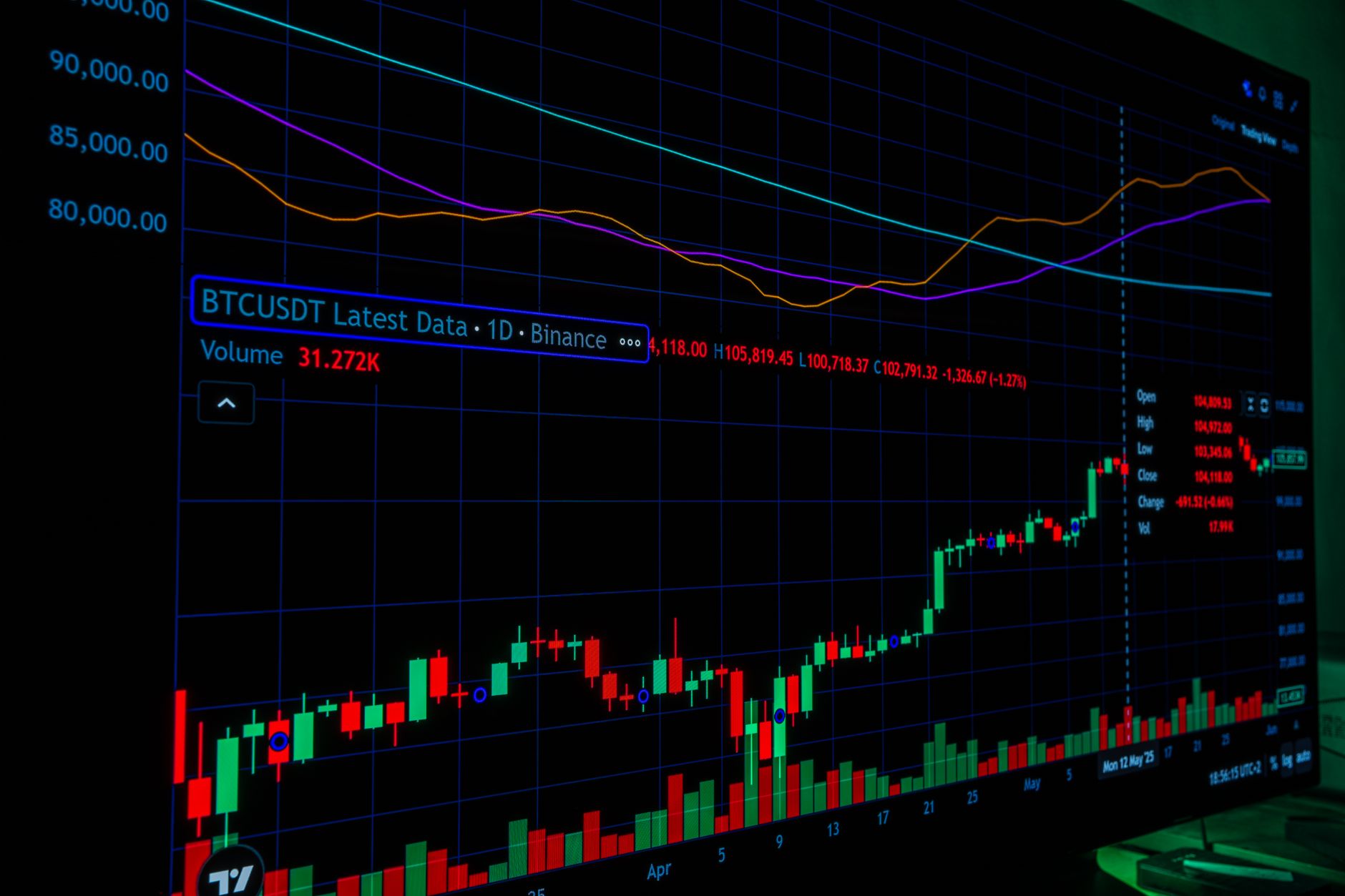
What the 15% Move Actually Looked Like
The rally didn’t unfold gradually. USELESS spiked sharply while the rest of the market was processing selling pressure, suggesting the move was driven by a concentrated group of buyers rather than broad retail enthusiasm. When volume accompanies a move like this in a down market, it typically points to deliberate accumulation – someone, or a group of participants, was buying while others were heading for the exit.
The timing matters too. A 15% gain during a broad market selloff means USELESS wasn’t just going up – it was absorbing sell pressure from the overall sentiment environment and still closing higher. That’s a meaningful distinction. Coins that can rally against macro headwinds often attract momentum traders once the broader market stabilizes, because they’re seen as having demonstrated relative strength under stress.
What makes this harder to dismiss as noise is that USELESS moved without the tailwinds that typically inflate altcoin prices – no major Bitcoin breakout was fueling risk appetite, no sector rotation into meme or micro-cap tokens was visibly underway. The move was, by most available readings, internally generated. Whether that reflects genuine conviction among holders or a thinner order book being pushed around by limited capital is exactly the question the next trading sessions will answer.
The Two Signals Traders Are Watching
Two technical and on-chain signals have defined the post-rally conversation around USELESS. The first relates to volume profile – specifically, whether the buying volume that accompanied the 15% move represents genuine demand or a one-time spike that fades as quickly as it appeared. A volume surge that doesn’t sustain typically signals a short-lived pump rather than a trend change, while sustained elevated volume after a spike can indicate that new participants have entered at higher prices and are holding.
The second signal is price structure. After a sharp single-session gain, the level at which USELESS consolidates – or fails to consolidate – tells a specific story about buyer commitment. If the coin gives back most of its gains in the sessions immediately following the rally, it signals that the move was opportunistic rather than conviction-driven. If it holds even a partial retracement and builds a base above prior resistance, the technical picture shifts in favor of continuation. These two signals – volume behavior and price structure – are what separate a meaningful counter-trend move from a false breakout in a down market.
The Broader Context: Why Counter-Trend Moves Carry Extra Risk
Rallying while the broader crypto market is declining puts any asset in a specific kind of spotlight. On one hand, relative strength during a selloff is one of the cleaner indicators of genuine demand – it means buyers are showing up even when overall sentiment is negative. On the other hand, coins that disconnect from the market during downturns are also more exposed once the broader market recovers, because the same conditions that allowed them to rally in isolation tend to reverse.
The crypto market’s current macro environment adds another layer of complexity. Bitcoin’s own price action has been testing key support zones, and the Federal Reserve’s policy signals continue to weigh on risk assets broadly. In that context, a 15% gain in a low-cap or mid-cap token carries a different risk profile than the same move in a market that’s trending upward. The macro pressure doesn’t disappear just because one token managed to ignore it for a session.
Altcoin traders have seen this pattern before – a sharp isolated rally, two or three sessions of sideways consolidation, then a snap reversal that erases most of the gains as broader market conditions reassert themselves. That’s not a prediction for USELESS specifically, but it is the historical base rate for counter-trend moves in illiquid or low-volume tokens. The burden of proof sits with the bulls to show that what happened was more than a temporary dislocation.
What USELESS did manage to demonstrate is that there’s a cohort of holders willing to buy into – or hold through – a red market. Whether that cohort is large enough to matter when selling pressure increases is an open question. Conviction is easier to maintain when a position is already profitable, and a lot of the new buyers who entered during the 15% move are now sitting on smaller margins than they were at the peak.

What Comes Next
The next meaningful data points for USELESS will come from watching how the token behaves when the broader market gets a directional move – either a recovery or a deeper decline. A recovering market will test whether USELESS holds its relative strength advantage or simply gets absorbed back into the general altcoin tide. A continued market decline will test whether the buyers who showed up during the rally have genuine staying power or were simply taking a short-term position.
Price structure over the next 48 to 72 hours will be more informative than the initial rally itself. The 15% move established a price level. How USELESS defends – or fails to defend – that level is where the actual signal is buried.
For any token posting outsized gains in a down market, the rally is only half the story. The retest is where the trade either proves itself or doesn’t, and for USELESS, that test is already underway.
A token that rallied 15% while the market bled is either finding its floor or setting up its next flush – and right now, the order book is the only honest voice in the room.
Comments are closed, but trackbacks and pingbacks are open.