
BlackRock Moves $62M in Ethereum as ETF Flows Turn Negative
A Large Transfer at an Uncomfortable Moment
BlackRock has moved approximately $62 million worth of Ethereum at a time when ETF flows for the asset are heading in the wrong direction. The transfer has drawn attention not because large custodial movements are unusual for an institution managing assets at BlackRock’s scale, but because the timing lands squarely in a period of weakening demand signals from the very ETF products the firm helped bring to market.
The gap between what institutional players do on-chain and what retail and institutional investors do with their ETF allocations is rarely this visible. When a $62 million ETH move coincides with negative ETF flow data, it forces a direct question: is BlackRock repositioning, rebalancing, or simply executing routine custodial operations that the market is reading too much into?

What the ETH Transfer Actually Involved
The $62 million figure covers both Bitcoin and Ethereum transfers by BlackRock, though the Ethereum portion carries its own weight given where ETH stands in the market right now. Ethereum has been under sustained pressure, caught between a Bitcoin that continues to absorb institutional attention and a broader altcoin market that has failed to generate consistent momentum. A transfer of this size from the world’s largest asset manager does not happen quietly.
BlackRock’s involvement in Ethereum is not incidental. The firm launched the iShares Ethereum Trust ETF, which became part of a broader push by traditional finance to give investors regulated exposure to ETH without requiring them to hold the asset directly. That product, like its Bitcoin counterpart, depends on consistent inflows to signal healthy demand. When flows turn negative, it raises questions about whether the institutional appetite being marketed around these products is as durable as advertised.
The mechanics of a transfer like this can be straightforward – moving assets between wallets for security reasons, rebalancing across custodians, or responding to redemption activity on the ETF side. None of those explanations are alarming in isolation. But when on-chain activity intersects with declining ETF flows, the combination produces a narrative that is harder for the firm to control. Markets interpret movement as intent, even when the actual motivation is administrative.
Ethereum’s position in BlackRock’s broader digital asset strategy adds another layer. The firm has been expanding its blockchain-related work, including tokenization projects that sit on Ethereum’s infrastructure. That operational relationship means BlackRock holds ETH not only as a financial product to be packaged for investors but potentially as working capital within its own product ecosystem – a distinction that rarely gets made when on-chain transfers make headlines.
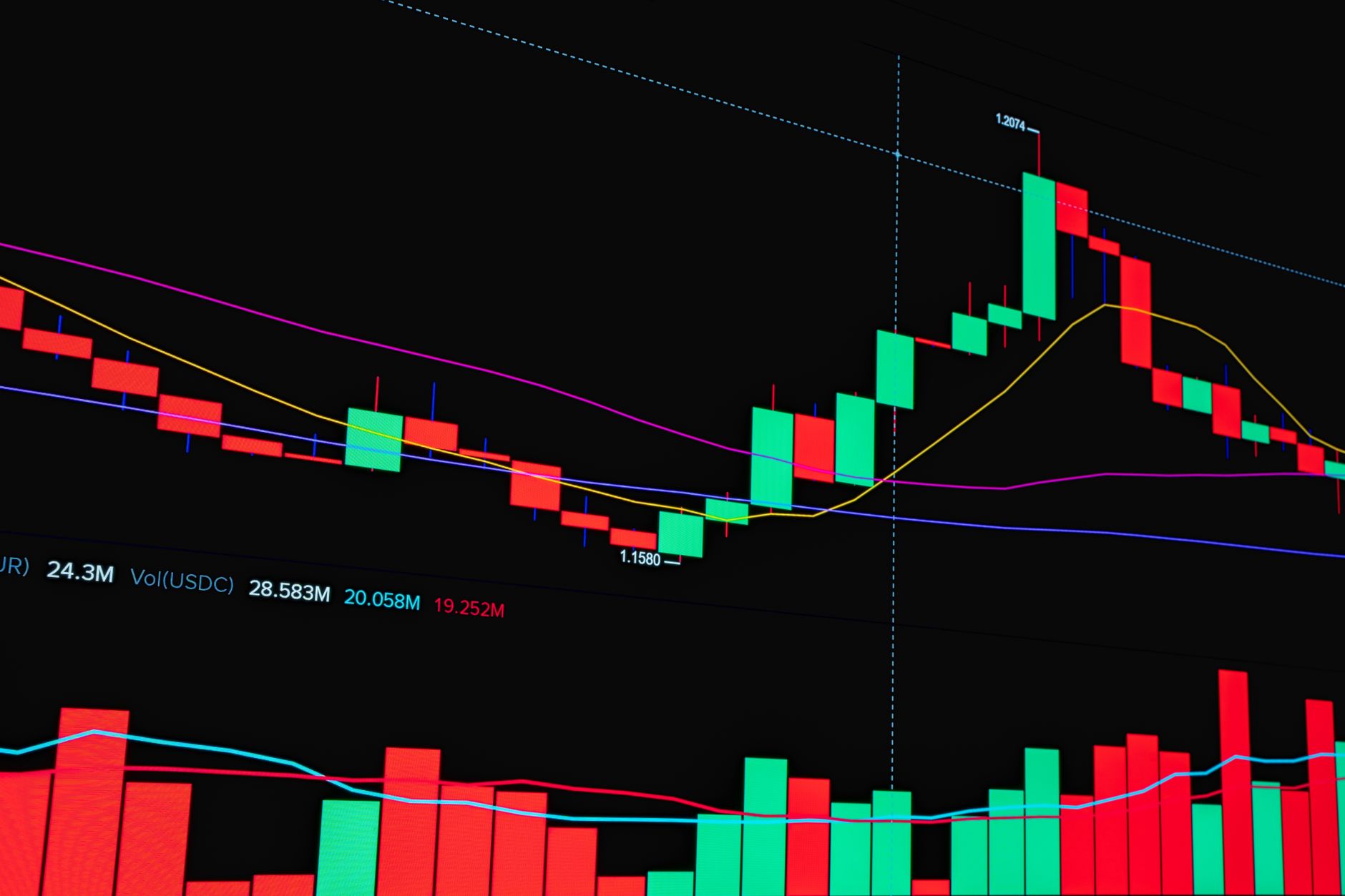
Negative ETF Flows and What They Reflect
ETF flow data turning negative is a concrete signal, not a vague sentiment indicator. It means more capital is leaving the product than entering it over a given period. For Ethereum ETFs specifically, negative flows indicate that investors who already have exposure are pulling back, and new buyers are not arriving in sufficient volume to offset those exits.
This matters in the context of BlackRock’s ETH transfer because the ETF wrapper was supposed to be the institutional on-ramp that finally gave Ethereum the sustained demand profile that Bitcoin had been building since its own spot ETF launched. The early months of Ethereum ETF trading showed promise, but the flow data has not maintained the trajectory that would confirm a structural shift in institutional allocation toward ETH. Firms like Bitmine have been accumulating ETH aggressively, but that kind of concentrated buying from a single entity is a different dynamic from the broad ETF inflow pattern that signals genuine market-wide institutional demand.

What Comes Next for Institutional ETH Demand
The durability of institutional demand for Ethereum through regulated products is the real question sitting behind this transfer. BlackRock moving $62 million in ETH while ETF flows are negative does not confirm that institutional interest is collapsing – it does confirm that the relationship between on-chain custody activity and product-level investor behavior is not always aligned, and that reading one as a proxy for the other produces incomplete conclusions.
Ethereum’s utility argument – its role in DeFi, tokenization, and smart contract execution – gives it a floor that pure store-of-value assets lack. But utility arguments have not consistently translated into ETF inflow support, particularly during periods when Bitcoin dominance is high and risk appetite across crypto markets is compressed. BlackRock knows this, which is why the firm’s Ethereum positioning spans both the financial product side and the infrastructure side simultaneously.
The $62 million transfer will be dissected by on-chain analysts for days. Whether it reflects redemption-related rebalancing, internal custodial restructuring, or something less routine, the answer sits inside BlackRock’s operations rather than on the blockchain itself. What the blockchain does show is that at the exact moment ETF flows for ETH are softening, the asset manager behind the largest Ethereum ETF in the United States is moving tens of millions in the underlying asset – and offering no public explanation for why.
Comments are closed, but trackbacks and pingbacks are open.