
MEXC Stock Futures Volume Jumps 130% as Semiconductors Displace Broad Market Bets
Crypto Exchange’s TradFi Arm Posts Sharp August Gains
MEXC, the Comoros-registered exchange known for zero-fee digital asset trading, released its August TradFi performance data on September 11, 2026, showing a 130% month-on-month increase in combined trading volume across stock, index, and ETF Futures. The number of available contracts expanded 35% to more than 400, while tokenized stock and ETF Spot trading volume climbed 30%, with nearly every existing listing recording positive movement.
What the data reveals is less about raw growth and more about where traders are moving their attention – away from broad index exposure and toward specific sectors, particularly memory chips and semiconductors. That shift carries real implications for how crypto-native platforms are positioning themselves as access points into traditional equity markets.
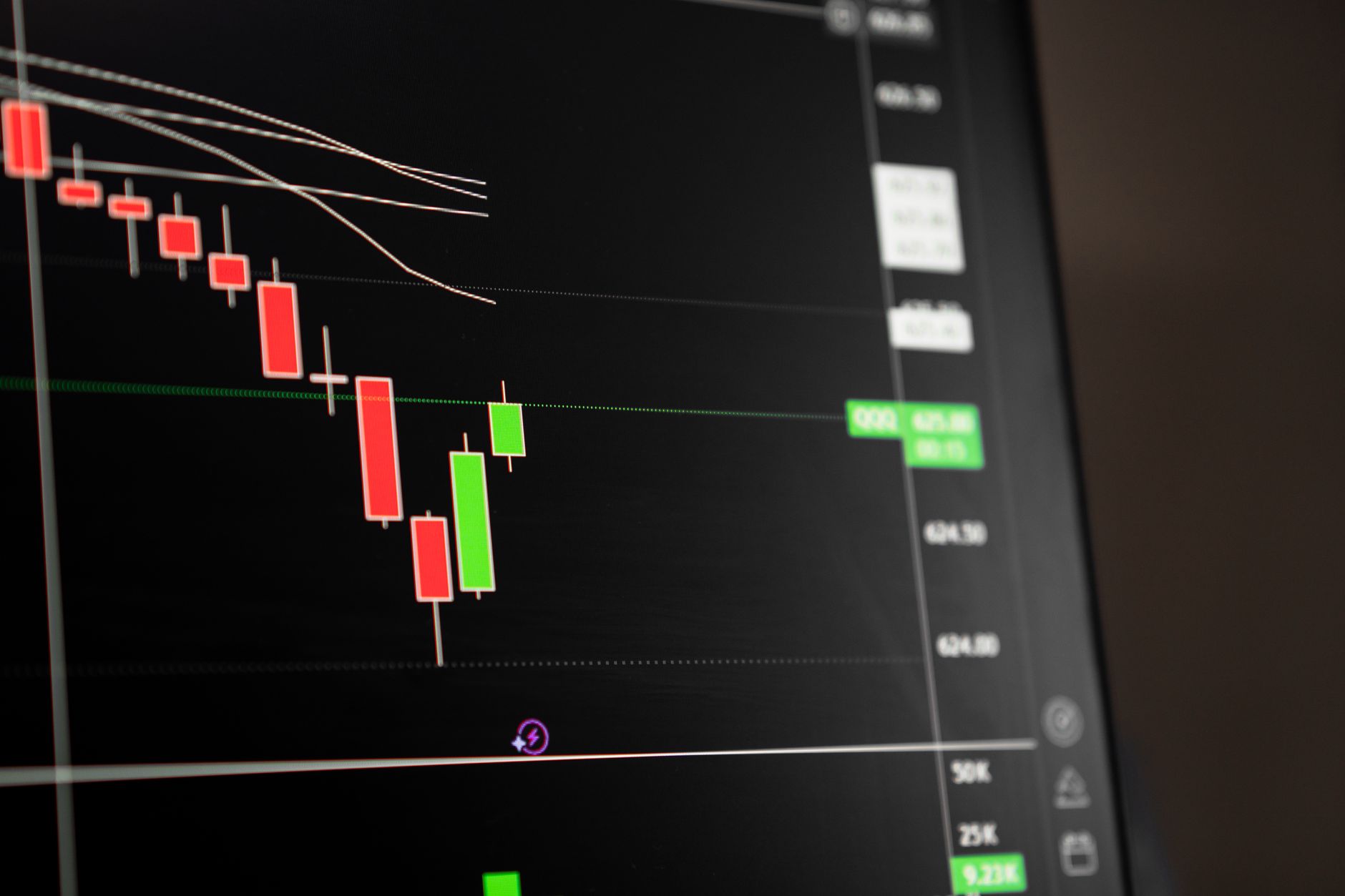
Semiconductor Stocks Dominate the Futures Leaderboard
Five of MEXC’s top 10 Stock Futures by trading volume in August tracked memory and storage companies. SK Hynix (SKHYNIX) ranked first among individual stock futures and second overall, with trading volume up approximately 401% month-on-month. Micron (MU) followed at third place, posting roughly 267% volume growth. Those two alone signal a concentrated move by traders toward Korean and U.S. memory names at a time when the broader memory cycle has attracted significant institutional attention outside crypto markets as well.
Combined volume for Stock Futures tracking Korean equities and markets – SKHYNIX, SKHY, SAMSUNG, and KORU – rose approximately 348%. Their collective share of total Stock Futures trading volume jumped from 14% in July to 27% in August. SanDisk (SNDK) continued growing in absolute terms but saw its share of total volume fall from 25% to 11%, squeezed out by the surge in Korean names and the aggressive rise of leveraged semiconductor ETF products.
SOXL Stock Futures, which track a semiconductor ETF offering 3x daily long exposure, ranked first across all Stock Futures categories after volume surged approximately 1,192%. That product alone went from under 4% of total Stock Futures trading volume in July to 20% in August. SOXS – tracking 3x inverse daily leveraged exposure to the U.S. Semiconductor Index – also recorded 436% volume growth. The appetite for both long and short leveraged semiconductor exposure in the same month points to traders who want directional bets within the sector, not passive allocation.
Not everything in the top 10 tied back to chips. Tesla (TSLA) Stock Futures posted the highest individual growth rate in the broader segment at approximately 784%, ranking tenth. SpaceX (SPCX) futures rose around 45%, placing fifth. SPX500 futures tracking the S&P 500 Index declined roughly 32%, confirming that the overall mix shifted from diversified index exposure toward concentrated sector plays.
Tokenized Stocks Widen Their Share of Spot Trading
On the Spot side, tokenized stocks and ETFs increased their share of MEXC’s total TradFi Spot trading volume from 63% in July to 73% in August, with a 30% volume gain overall. Approximately 99% of existing listings recorded higher volumes month-on-month, and the top 10 listings accounted for only 12% of segment volume – a distribution suggesting growth spread across the catalog rather than being driven by one or two outsized names.
Circle (CRCL) led the tokenized segment with a 69% volume increase month-on-month. Coinbase (COIN) and Robinhood (HOOD) also placed in the top 10, with combined volume across all three crypto-related equity listings rising 47%. AI-linked names performed strongly: Nebius (NBIS), an AI cloud infrastructure company, ranked third with 188% volume growth – the highest rate among the top 10 – while NVIDIA (NVDA) ranked fifth with a 54% increase.
Weekend Trading and Zero-Fee Promotions Drive Participation
MEXC’s Stock Futures are available around the clock, including during hours when underlying equity markets are closed. In August, trading during the month’s 10 weekend days accounted for approximately 11% of total monthly volume. That figure reflects genuine demand from traders who want exposure to equity-linked instruments outside the constraints of market hours – a feature that crypto exchanges can offer where traditional brokerages cannot.
The platform’s MEXC 0808: Stock Season promotion, a zero-fee trading event, drew more than 86,000 participants and saved traders a combined total exceeding $1 million in fees. Zero-fee structures have been central to MEXC’s positioning since the exchange’s early years, and the promotion appears to have pulled in meaningful new activity rather than simply shifting existing volume into a fee-free window.
MEXC allows users to trade products linked to U.S., Korean, and Hong Kong equities using USDT through a single account. For crypto traders accustomed to managing positions across multiple venues with different margin requirements and settlement currencies, that consolidation matters. The growing share of Korean equity futures – now more than a quarter of all Stock Futures volume – also points to a user base that extends well beyond the typical U.S.-centric retail crypto audience.
The question sitting behind August’s numbers is whether the semiconductor surge reflects a durable trading preference or a momentum-driven spike tied to specific catalysts in the memory market. SOXL futures jumping from under 4% to 20% of total Stock Futures volume in a single month is not a gradual trend – it’s an abrupt reallocation, and abrupt reallocations tend to reverse just as quickly when the underlying sector narrative shifts.
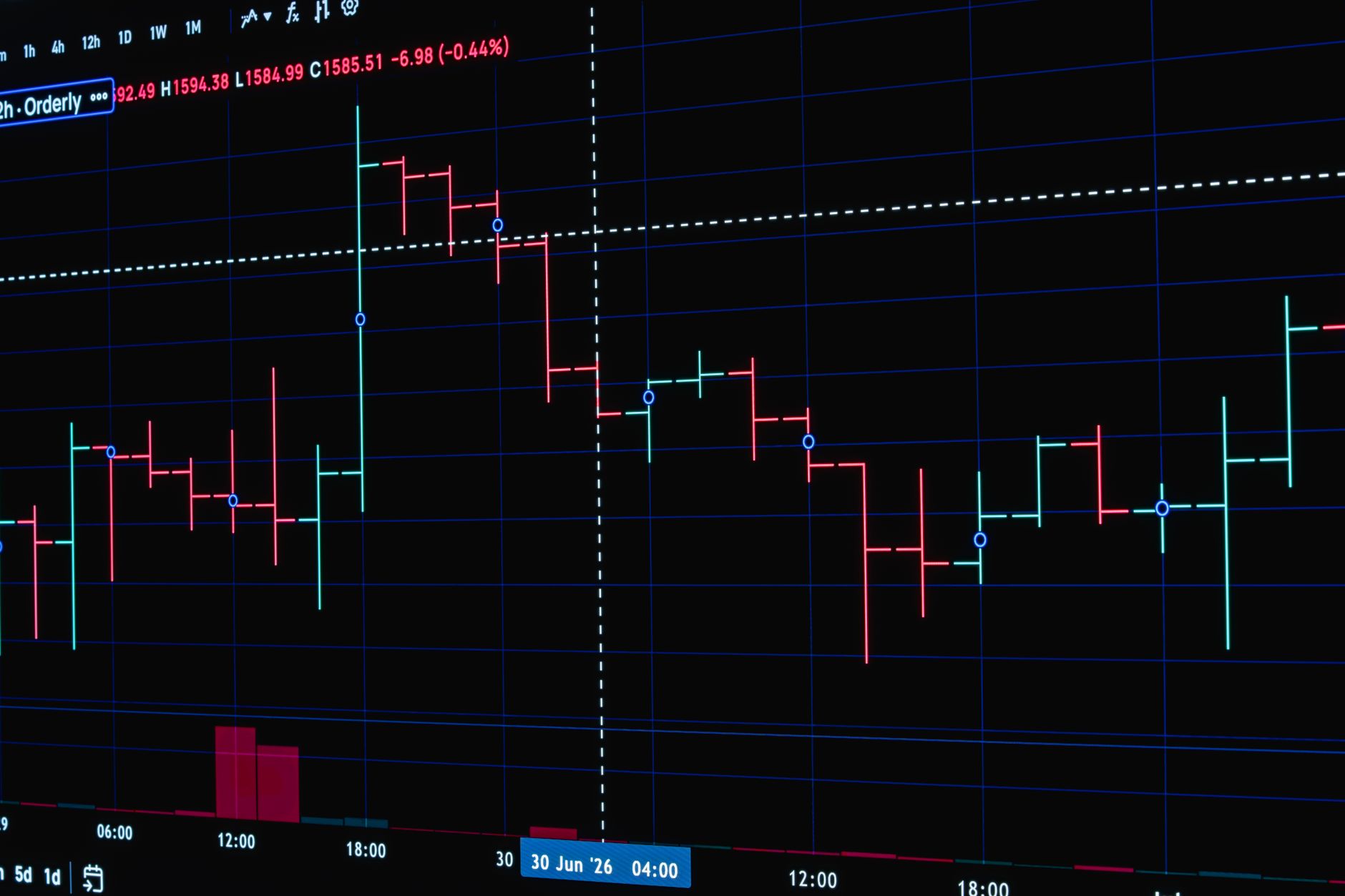
SKHYNIX futures at 401% growth in one month, alongside Tesla at 784%, suggests traders were chasing volatility wherever they could find it – and finding it in sector-specific products rather than the S&P 500 proxy that declined 32%. Whether MEXC’s tokenized equity infrastructure can hold that attention when the next volatile sector isn’t semiconductors is a different test entirely.
Comments are closed, but trackbacks and pingbacks are open.